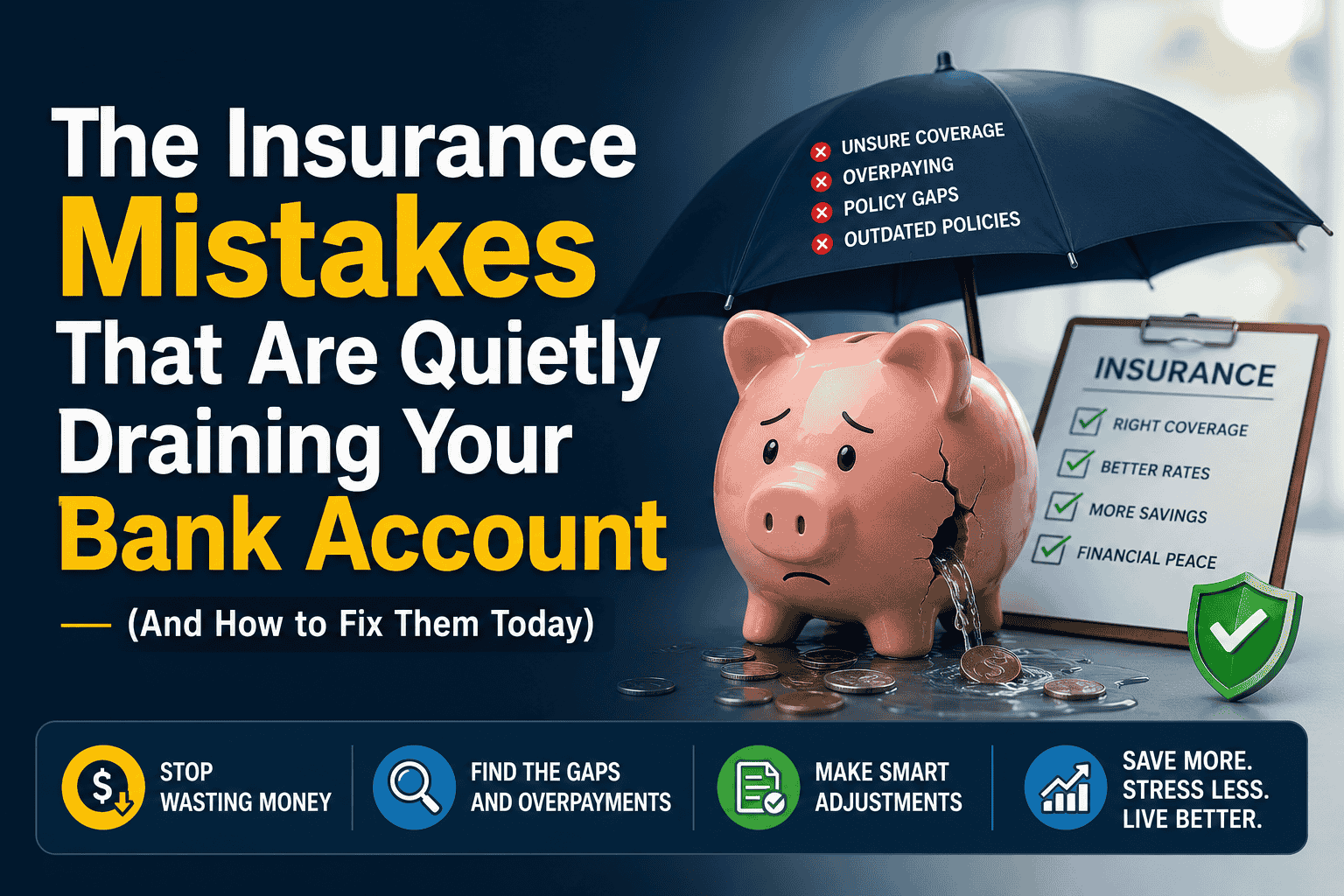
Most people don’t think about insurance until something goes wrong. A car accident. A hospital bill. A storm that rips the roof off your house. And in that moment of panic, you suddenly realize you either don’t have enough coverage, or you’ve been paying for coverage you never even needed.
Here’s the truth: insurance companies are betting that you won’t read the fine print. They’re counting on you to set it and forget it. This article is here to make sure that doesn’t happen to you.
Let’s go through the real problems people in the US, UK, and Canada are dealing with right now, and how to actually fix them.
Why Your Car Insurance Bill Keeps Going Up (Even Though You Haven’t Made a Claim)
If you’ve noticed your car insurance renewal getting more expensive every single year, you’re not imagining it. Premiums have been climbing fast, and most drivers just pay it without question because shopping around feels like a hassle.
But here’s the thing: loyalty doesn’t pay. Insurance companies often raise prices quietly on existing customers while offering much lower rates to new ones. It’s called “price walking,” and it’s incredibly common.
What actually works:
Get fresh car insurance quotes every single year, even if you’re happy with your current provider. Just the act of comparing prices can save you hundreds of dollars, because once your insurer sees you’re shopping around (or you actually switch), they often suddenly find a “loyalty discount” they forgot to mention.
If you drive less than you used to, ask about low mileage discounts. A lot of people are still paying full price for daily commutes they no longer make.
And if your credit score has improved since you last signed up, mention it. In many regions, this directly affects your premium, but insurers won’t automatically update it for you.
Life Insurance: The Conversation Nobody Wants to Have, But Everyone Needs
Let’s be honest. Thinking about life insurance means thinking about your own mortality, or worse, imagining your family without you. It’s uncomfortable. That’s exactly why so many people put it off for years, sometimes forever.
But here’s the emotional reality: the people who regret not having life insurance are never the ones who pass away. It’s the families left behind, suddenly facing a mortgage, childcare costs, or funeral expenses with no financial cushion.
The good news that almost nobody realizes:
Term life insurance is often shockingly affordable, especially if you’re under 45 and in reasonably good health. We’re talking about coverage that could pay off a mortgage or cover years of living expenses, for less than the cost of a daily coffee.
The biggest financial mistake isn’t choosing the wrong policy. It’s waiting. Every year you delay, your premium goes up, and if your health changes, you might not qualify for the best rates at all, or any coverage.
If you have young kids, a partner who depends on your income, or a mortgage with your name on it, this isn’t something to “think about later.” A simple 20 or 30 year term policy can give you peace of mind for less than you’d expect.
Health Insurance: Stop Overpaying for a Plan That Doesn’t Match Your Life
Few things feel more unfair than getting a surprise medical bill after already paying monthly premiums. It feels like you’re being punished for needing healthcare, which is the whole point of having insurance in the first place.
A lot of this comes down to one simple mismatch: people choose health insurance plans based on the monthly price alone, without thinking about how they actually use healthcare.
Here’s how to think about it differently:
If you rarely go to the doctor and you’re generally healthy, a high deductible health plan with a lower monthly premium might genuinely save you money over the year, as long as you have some savings set aside in case something happens.
If you or a family member has an ongoing condition, takes regular medications, or sees specialists often, a plan with a higher premium but lower out of pocket costs can actually work out cheaper overall, even though it looks more expensive on paper.
And please, check if you qualify for government subsidies or tax credits on health insurance marketplaces. So many people assume they won’t qualify and never even check, leaving real money on the table every single month.
Home Insurance: The Coverage Gap That Could Cost You Everything
Imagine this. A pipe bursts, floods your basement, and ruins thousands of dollars worth of belongings. You file a claim, relieved that you’re covered… and then find out your policy hasn’t been updated in five years and barely covers half of what you actually own.
This happens more than people realize, especially to homeowners who haven’t reviewed their policy since the day they bought their house.
What you can do right now:
Walk through your home and think about what it would actually cost to replace everything, furniture, electronics, clothes, appliances. If that number feels higher than your coverage limit, it’s time for an update.
If you’ve made home improvements, like a new kitchen or a finished basement, your home insurance needs to reflect that increased value, or you could be massively underinsured without knowing it.
Small upgrades like smoke detectors, security systems, or even just bundling your home and auto insurance with the same provider can lower your premium noticeably, sometimes by ten to twenty percent.
Mortgage Protection and Income Protection: What Happens If You Suddenly Can’t Work?
This is the question people avoid until it’s too late: what happens to your mortgage payments if you get sick, injured, or lose your job unexpectedly?
For families in the UK and Canada especially, this fear is real. One missed paycheck can turn into missed mortgage payments, and the stress of that alone can affect your health and relationships.
Mortgage protection insurance and income protection insurance exist exactly for this reason, but they’re not all created equal. Here’s what actually matters:
Read the waiting period carefully. Some policies won’t pay out for the first month or two after you stop working, which can be a brutal surprise if you’re counting on immediate help.
Check what’s excluded. Pre-existing conditions are often not covered, so if you have a known health issue, ask directly how it affects your eligibility before you assume you’re protected.
Income protection insurance tends to offer broader coverage than mortgage protection alone, replacing a portion of your income rather than just covering the mortgage, which can make a real difference if you have other bills too.
Running a Small Business? Don’t Let One Lawsuit Wipe You Out
If you run a small business, especially from home, there’s a good chance you’re underinsured without realizing it. Many business owners assume their regular home insurance covers their business equipment or activities. In most cases, it doesn’t.
Here’s what trips people up the most:
General liability insurance covers things like accidents or property damage related to your business. Professional liability insurance, also called errors and omissions insurance, covers claims that you made a mistake or failed to deliver what you promised. If you offer any kind of service or advice, you likely need both, not just one.
If you have even one employee, workers compensation insurance is often legally required, and skipping it isn’t just risky, it can be illegal depending on where you live.
The peace of mind here isn’t just about avoiding fines. It’s about protecting everything you’ve built from a single bad day, a single unhappy client, or a single accident.
The One Habit That Saves People the Most Money: A Yearly Insurance Check-Up
Here’s something most people never do, but should. Once a year, sit down and look at every insurance policy you have. Car, home, health, life, business, all of it.
Ask yourself: has anything changed since I signed up for this?
Did you get married, have a baby, move house, pay off your car, start a business, or improve your credit score? Every one of these changes can affect how much insurance you need, and how much you should be paying for it.
People who do this once a year consistently pay less and stay better protected than people who set it up once and never look again. It takes maybe an hour, but it can save you hundreds, sometimes thousands, over time.
Final Thought
Insurance isn’t exciting. Nobody dreams about reading policy documents on a Sunday afternoon. But the difference between feeling secure and feeling devastated often comes down to decisions made months or years before something goes wrong.
Take the time now, while everything is calm, to check your coverage, compare your quotes, and ask the uncomfortable questions. Future you, and the people who depend on you, will be grateful you did.